Are Bigger Inflatables Always Better? Choosing the Right Size in Australia

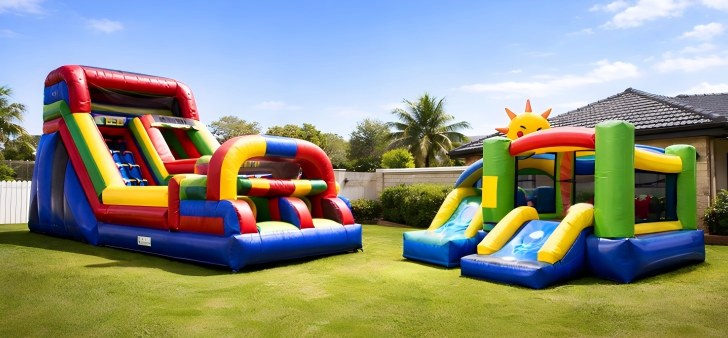
In the inflatable rental industry, it’s easy to assume that bigger is better. Large inflatables attract attention and create strong visual impact. However, for most operators in Australia, the biggest unit is not always the most practical or profitable choice.
Success in this business depends on how well your equipment fits real-world conditions—such as backyard space, access, setup requirements, and booking frequency. Here’s a realistic look at how size affects day-to-day operations and return on investment.
Why bigger inflatables seem attractive
There is no denying the appeal of larger units like tall slides or long obstacle courses.
- Visual impact: They stand out at events and look impressive in photos
- Higher rental pricing: Larger units can often command higher rates for festivals and corporate bookings
- Capacity: They allow more users at once, which is useful for high-traffic events
In the right setting, size can add real value.
The real-world limitations of large units
In everyday suburban rentals across Australia, larger units often come with practical challenges.
- Space and access: Many modern homes have smaller backyards and narrow side access. If a unit cannot fit through a standard side gate (around 820mm), setup becomes impossible
- Setup complexity: Larger inflatables are heavier and more difficult to handle. This can mean:
- More than one person needed for setup
- Longer installation time
- Additional effort during pack-down
- Power requirements: Bigger units may require multiple blowers, which can be difficult to manage on standard residential power
These factors can limit how often larger units are actually booked.
Why mid-size units are the workhorses
In most Australian suburbs, mid-size inflatables are the most reliable performers.
- Versatility: They fit most backyards and access points
- Ease of setup: Many can be handled by one person with the right equipment
- Consistent demand: They are suitable for common bookings like birthday parties and small events
While they may not have the same visual impact as large units, they tend to generate more frequent bookings.
Balancing price and booking potential (ROI)
When choosing an inflatable, it’s important to look beyond the rental price and consider how often it will actually be used.
- Larger units usually require a higher upfront investment and may sit unused if they don’t fit typical customer spaces
- Mid-size units are generally more affordable and get booked more regularly, allowing them to recover their cost faster
In most cases, steady bookings matter more than occasional high-value hires.
The role of large units in a growing business
Large inflatables still have a place, but they are often better suited as a second-stage investment.
Many operators:
- Start with versatile mid-size units
- Build consistent bookings and experience
- Add larger units once they have the demand, equipment, and support to manage them
This approach reduces risk and allows for more controlled growth.
Final thought
Bigger inflatables are not always better. They can work well for large events and open spaces, but for everyday rentals in suburban Australia, practical size is often the better choice.
The most successful operators focus on equipment that fits real backyards, can be set up efficiently, and gets booked consistently—not just what looks the most impressive.
Simple takeaway
- Larger units offer strong visual impact but have more limitations
- Mid-size units are easier to manage and get booked more often
- The best choice depends on your local market and typical customers