

Why Some Inflatables Don’t Last Long (And What You Should Watch Out For)


If you’ve been in the inflatable business for even a short time, you’ve probably noticed something frustrating: some units look great when they arrive, but after a few months of use, they start to show serious wear. Seams loosen, surfaces fade, small tears appear, and before long, the unit isn’t reliable anymore.
In the Australian market, where our harsh sun and high rental demands put equipment to the ultimate test, durability is your real ROI. So what’s actually going on? Here are the 7 main reasons why some inflatables fail.
1. The Material Is Too Light
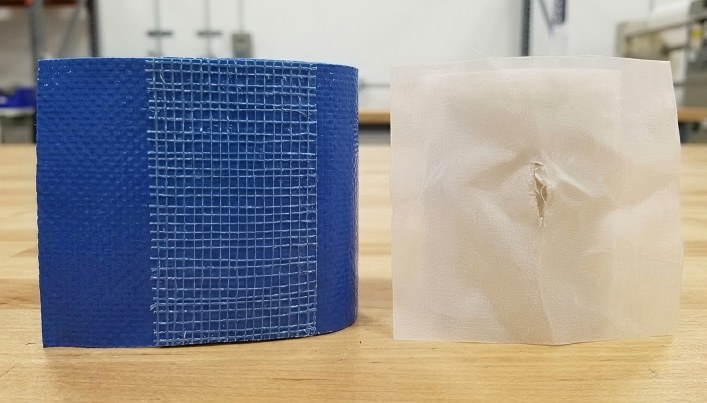
This is the biggest reason. A lot of cheaper inflatables are made from thin PVC — sometimes closer to 0.3–0.4 mm. On paper, that might sound fine. In reality, it doesn’t hold up well under commercial use.
In Australia, strong UV, heat, and frequent outdoor setups will quickly weaken lighter materials, leading to surface cracking and soft spots. Commercial-grade units must use 0.55 mm (18oz) PVC Tarpaulin.
2. Weak Stitching (You Don’t See It Until It Fails)
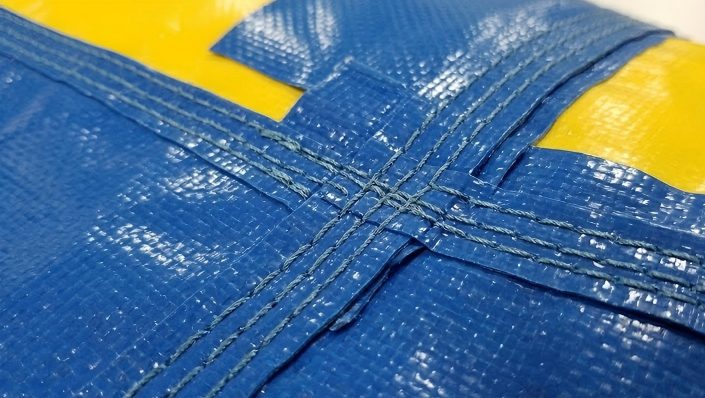
From the outside, two inflatables can look identical. The difference is inside the seams. Lower-quality units often use single stitching with no reinforcement at stress points. Once active kids start jumping, these seams begin to stretch or split. High-quality units feature quadruple stitching reinforced with extra PVC strips.
- Far far away, behind the word mountains, far las.
- Vokalia and Consonantia, there live the blind tex.
- Separated they live in Bookmarksgrove right attr.
3. Not Designed for Rental Use
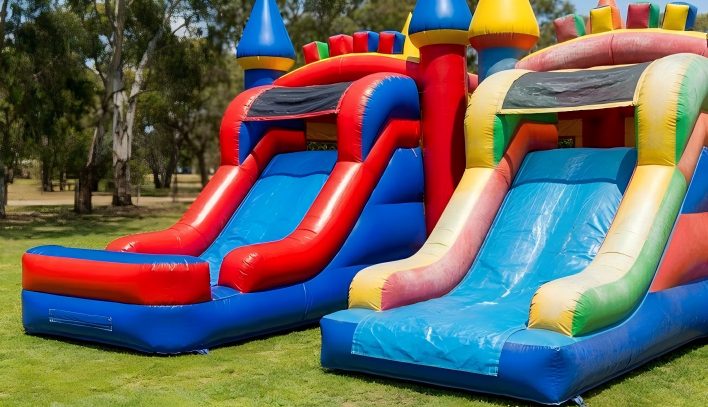
Some inflatables are built for occasional backyard use, not for the constant setup and pack-down required for weekend rentals or school events in cities like Sydney or Brisbane. If the design doesn’t account for reinforced climbing areas and proper airflow, the unit simply wears out faster under heavy user loads.
4. Poor UV and Weather Resistance
Australia is tough on outdoor equipment. Even if you’re careful, your jumping castles are exposed to intense sun and temperature swings. Lower-quality materials without UV-resistant coatings break down quickly, making an inflatable look “old” and brittle after just one summer.
5. Proper Internal Maintenance (The Moisture Factor)
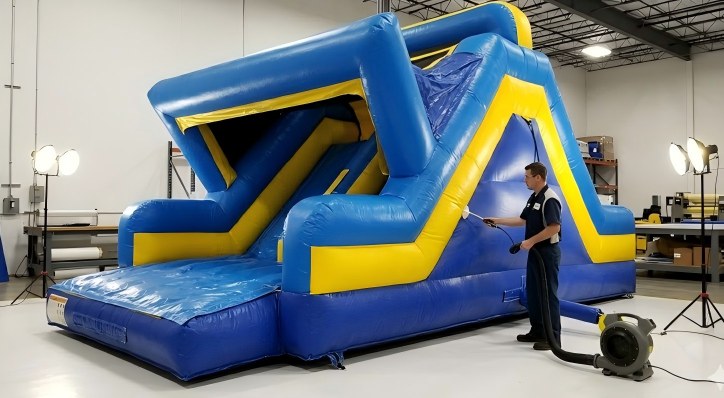
Longevity isn’t just about the fabric; it’s about care. If a unit is packed away damp, mold can eat through the PVC coating. Professional operators ensure their units are 100% dry inside and out using industrial blowers to prevent structural weakening.
6. Weak Reinforcement in Key Areas: The Baffles
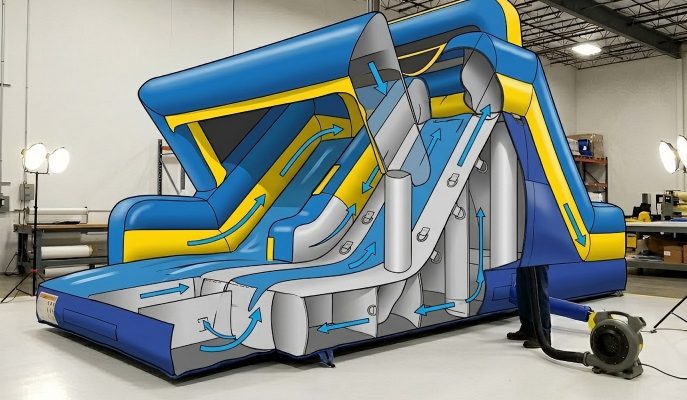
The “baffles” are the internal walls that hold the inflatable’s shape. If these are made of weak material, they fail internally. This causes the unit to “bulge,” putting uneven stress on the seams and leading to catastrophic failure. A layout built for rental use must have a solid internal engineering design.
7. Anchoring and Setup Issues
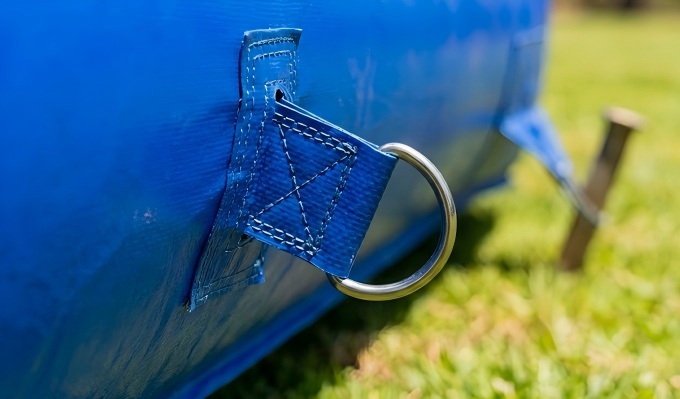
If a unit isn’t properly anchored, it shifts during use, causing the seams to take uneven stress. A well-built inflatable needs reinforced D-rings and anchor points that can handle the tension required to keep the unit stable on Australian grass or hard surfaces.
Final Thought: Durability Over Appearance
Most inflatable problems don’t show up on day one. They show up after 3–6 months of real use. A cheaper unit might save money upfront, but if it needs constant repairs or replacement within a year, it ends up costing you more in the long run.
If you’re running rentals in Australia, reliability is what keeps your weekends booked — and your reputation intact.