

How buying from overseas actually works?

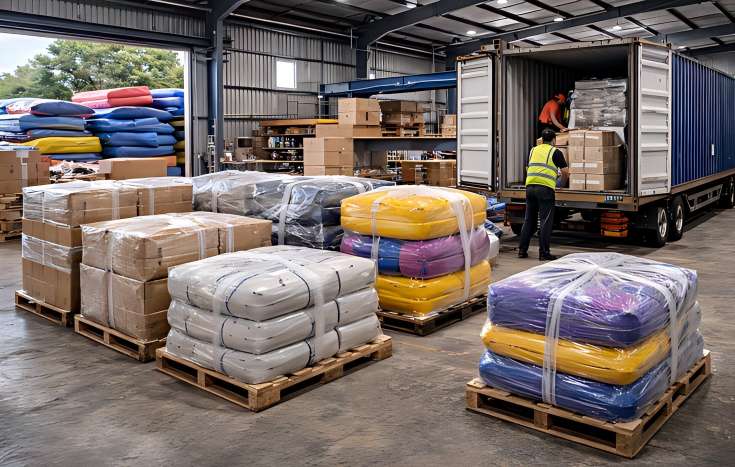
How does buying inflatables from overseas actually work, especially for rental businesses in Australia?
For many people starting an inflatable rental business, importing directly from overseas manufacturers can seem complicated at first. But in practice, the process is more straightforward than most expect, as long as you understand the key steps.
This article explains how buying inflatables from overseas actually works, based on how Australian buyers typically handle sourcing, shipping, and delivery.
Why many Australian buyers purchase from overseas
In Australia, a large number of inflatable rental businesses source their equipment from overseas manufacturers.
The main reasons are:
- Lower product cost compared to local suppliers
- Wider range of designs and sizes
- Ability to customise products
For many small businesses, buying directly allows them to start with a lower investment.
Choosing the right supplier
The first step is finding a supplier that understands export requirements.
Experienced buyers usually look for:
- Clear product specifications
- Consistent communication
- Experience with international shipping
- Ability to provide real product photos or videos
At this stage, communication is more important than price. A reliable supplier can prevent problems later in the process.
Understanding pricing and what’s included
When buying from overseas, pricing usually includes more than just the product itself.
A typical quotation may include:
- Product cost
- Blower and accessories
- Packaging
- Shipping options
Shipping can be arranged in different ways, depending on budget and urgency.
Shipping options to Australia
There are two main shipping methods most buyers choose.
Sea freight is the most common option.
It is cost-effective but takes longer, usually a few weeks depending on the port and schedule.
Air freight or express delivery is faster but more expensive.
This option is typically used for small orders or urgent needs.
Many buyers choose sea freight for larger inflatables and plan their purchases in advance.
What happens when the goods arrive
Once the shipment arrives in Australia, there are a few steps before delivery is completed.
These usually include:
- Customs clearance
- Payment of GST and import-related charges
- Arranging final delivery or pickup
Some buyers work with a freight forwarder or customs broker to handle this process, especially for the first order.
Door-to-door vs port pickup
Buyers can usually choose between two delivery options.
Door-to-door delivery means the supplier or shipping agent handles the entire process, including customs and final delivery.
Port pickup is a lower-cost option where the buyer arranges customs clearance and collects the goods from the port.
For beginners, door-to-door is often simpler, even if the cost is slightly higher.
Lead time and planning
Timing is an important part of overseas purchasing.
A typical order may involve:
- Production time (around 1–2 weeks depending on the product)
- Shipping time (varies by method)
Because of this, experienced buyers usually plan ahead, especially before peak seasons.
Common concerns and how they are handled
Many first-time buyers worry about quality, communication, and delivery risks.
In practice, these concerns are usually managed by:
- Requesting photos or videos before shipment
- Confirming specifications clearly
- Working with suppliers who have export experience
Over time, most buyers develop a smoother process as they gain experience.
Final thoughts
Buying inflatables from overseas may seem complex at first, but it becomes much easier once you understand the process.
For Australian inflatable rental businesses, importing directly is a common and practical approach. With the right supplier, clear communication, and proper planning, it can be a cost-effective way to build and grow a rental business.